Seasonal mindset for Colorado homeowners
Colorado weather swings can put extra stress on home appliances. A year-round preventive routine helps avoid unexpected breakdowns and keeps costs predictable. Our appliance repair specialists operate across Colorado with a simple plan you can follow season by season.
We start by looking at the big picture: airflow, drainage, and the general state of your major appliances. Regular checks make a real difference in energy efficiency and reliability, especially in a state where winter demands can strain heaters, frees, and cooking units alike.
Spring cleaning and prepping for warmer months
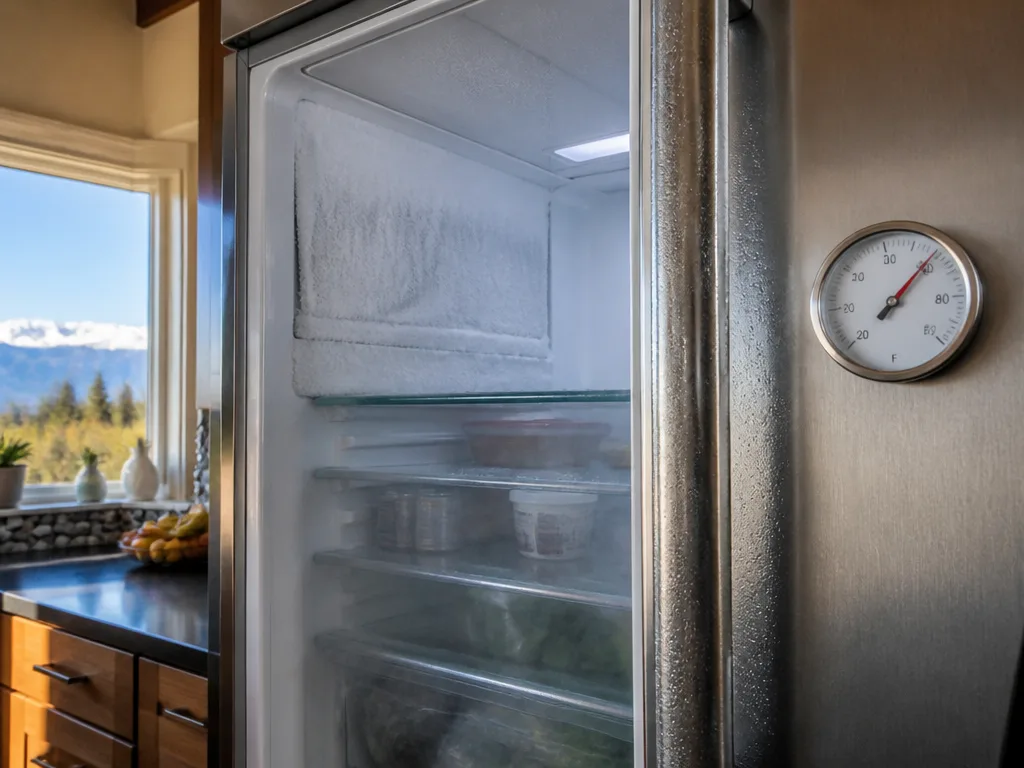
Come spring, clear out dust around coils, vents, and fans. A clean condenser coil improves cooling efficiency and reduces wear. In Colorado, you’ll also want to test auto-defrost functions on fridges and freezers after the air warms up, since this is when expansion and contraction can reveal weak spots.
Dishwashers and laundry pairs benefit from a quick rinse of spray arms and filters. Our crew recommends running a short cycle with an empty load to ensure water jets and drainage are working smoothly. If you notice standing water or poor draining, call an appliance repair specialist for a check before the elements turn windy or wet again.
Fall preparation for colder days
As temperatures drop, ensure your heating and cooking appliances are ready to handle the load. Check seals and gaskets for tight closures, clean any dust from vents, and verify that drainage lines are clear. In Colorado, a sudden cold snap can stress freestanding appliances, so a quick inspection helps you avoid outages during peak use.
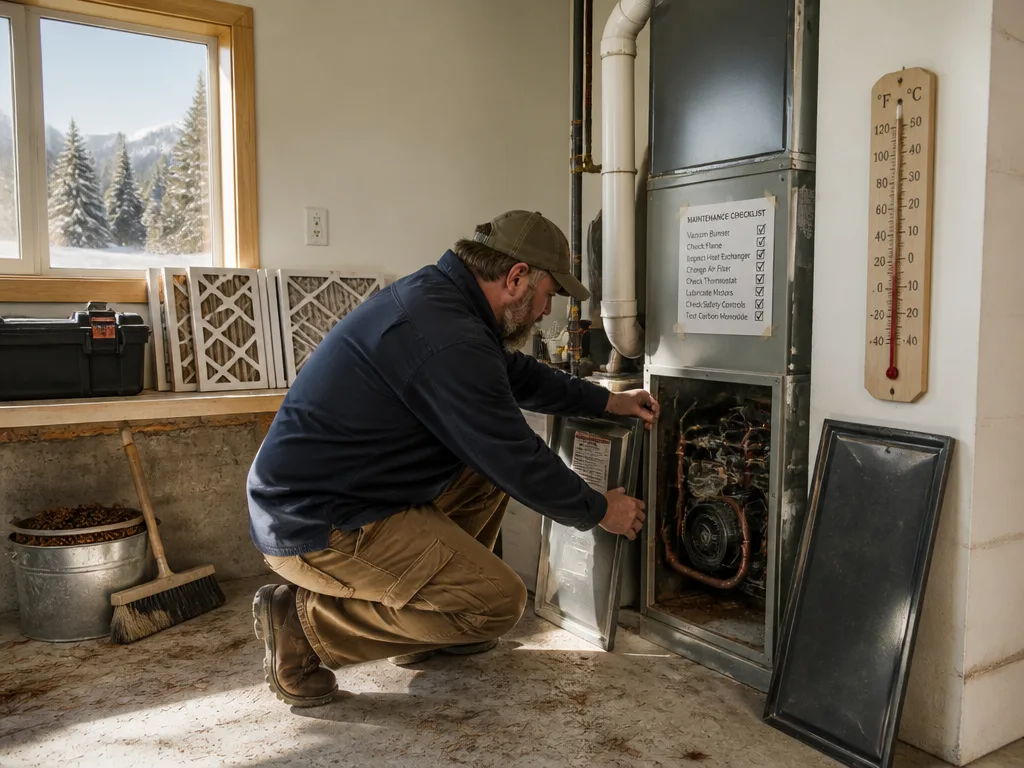
During fall, it’s a good time to schedule a routine service visit. Our Colorado crews can verify refrigerant lines, clean coils, and confirm motor operation. A proactive check reduces the chance of disruptive failures when you least want them.
Winter readiness and safety reminders
Winter brings longer indoor usage and higher energy use. Make sure your oven and range have clear space around them, keep vents unobstructed, and confirm that freestanding units aren’t blocking airflow. If you have a gas appliance, look for signs of incomplete combustion such as yellow flames or soot and have a pro inspect it instead of guessing.
In all seasons, stay mindful of noise, vibration, or unusual smells. If anything seems off, our appliance repair specialists will assess and explain the most practical fix, so you know what to expect and how long it will take.